
What's inside
- Best Camp Coffee Maker for Beginners: Choose the Method Before the Model
- Best Camp Coffee Maker for Beginners: Quick Comparison
- Reviews: Beginner Coffee Makers by Morning and by Group
- Buying Guide: How to Choose the Best Camp Coffee Maker for Beginners
- Frequently Asked Questions About the Best Camp Coffee Maker for Beginners
As an Amazon Associate I earn from qualifying purchases. This post may contain affiliate links at no extra cost to you.
The best camp coffee maker for beginners is the one that makes a good cup on the first morning, in gloves, in half-light, with a stove that is still warming up and a campsite that has not yet become familiar, because camp coffee is not a hobby audition. It is the ritual that starts the day, warms the hands, and persuades a tent full of people that sleeping outdoors was a good idea. Beginners do not need the most precise brewer, the lightest titanium novelty, or a system with twelve parts to lose in the grass. They need a forgiving method, a short list of parts that wash easily, coffee that tastes like coffee rather than like grounds and regret, and a routine they can repeat on the second morning without reading anything.
This guide compares the methods a beginner will actually meet, French press, pour over, percolator, moka-style stovetop, AeroPress, and the simple drip and cowboy alternatives, and it is honest about their trade-offs. A press makes a rich, full cup and forgives rough measurements, at the cost of weight, glass or steel to protect, and grounds to pack out. Pour over makes the cleanest cup and packs smallest, at the cost of attention, a kettle’s spout, and a slower morning for a group. A percolator makes a big, hot pot for a crowd on a stove or a fire grate where local rules allow, at the cost of a learning curve about heat, because a percolator boiled hard makes the bitter cup that gives the method its unfair reputation. Every method here obeys the same camp rules: brew outdoors or at a fully open shelter edge, never bring a stove into a tent to make coffee, keep grounds and wash water out of streams and lakes and dispose of them as the site directs, and pack out what you packed in, coffee grounds included, because the next camper’s pitch is not your filter basket.
Best Camp Coffee Maker for Beginners: Choose the Method Before the Model
French Press, Pour Over, Percolator, and AeroPress: A Beginner’s Map
The French press is this guide’s default first recommendation for car camping beginners, because its method fits in one sentence and forgives almost everything: add coarse coffee and hot water, wait a few minutes, press slowly, pour. Its cup is full-bodied, its measurements tolerate a scoop’s approximation, it makes two to four cups in one act, which suits a couple or a family rising together, and in insulated stainless steel it keeps the second cup hot while the tent comes down. Its costs are bulk, a plunger and mesh to rinse, and a slurry of wet grounds to carry out in a bag, which a beginner should plan for rather than discover. Glass presses, lovely at home, are a campsite risk this guide steers beginners away from, because a broken press on the first morning is a coffee maker and a hazard in one, and steel costs little more in money and nothing in worry.
Pour over is the backpacker’s and the purist’s answer, a dripper, a paper or reusable filter, a mug or a small server, and hot water poured in slow circles. Its cup is the cleanest in this guide, sweet and clear, its kit is the lightest and smallest here, and its demands are a beginner’s honest test: it makes one or two cups at a time, it rewards a gooseneck kettle’s control and punishes a clumsy pour from a wide pot, and it asks its maker to stand and attend while the camp may be calling. A percolator is the group and nostalgia method, a pot that cycles boiling water through a basket of grounds until its top knob shows the colour you want, making a full pot for a crowd on a two-burner stove, forgiving of rough water and rough mornings, and entirely at the mercy of heat discipline, a gentle perk, never a rolling boil, stopped in time, makes a round, hot, honest cup, and five unattended minutes makes a lesson. The AeroPress sits between the map’s countries, a plunger and chamber that makes a concentrated, smooth single cup in about a minute of pressing, with paper filters the size of a coin, a cleanup measured in a pop of its puck into a bag, and a forgiving nature that suits a beginner who camps solo or as a pair and values speed and a clean pack above batch size.
Water, Heat, and the Two Numbers That Make Camp Coffee Good
Every method in this table improves more from two habits than from any upgrade in equipment. The first is water just off the boil, because water at a rolling boil, poured straight onto grounds, scorches and extracts bitterness, while water that has stood for a moment after boiling, in the practical camp test when the kettle’s roar settles and the violent bubbling stops, makes a sweeter cup in a press, a dripper, and a percolator alike, and it is also the safer pour at a crowded camp table. The second is proportion, a starting ratio a beginner can memorise and adjust, roughly two level tablespoons of coffee to a standard mug of water, a scoop kept with the kit so the ratio survives a dark morning, with the adjustment rule that a weak cup is fixed by more coffee next time rather than by longer brewing, which mostly adds bitterness, and a bitter cup is fixed by coarser grounds, cooler water, or a shorter brew, one change at a time, because a beginner who changes three things learns nothing and a beginner who changes one becomes, by the fourth morning, the camp’s coffee person.
Grind is the third habit, and it divides by method in a way a beginner can hold in one hand: coarse and even for a French press and a percolator, whose baskets and meshes need grounds large enough not to pass through and turn the cup to mud; medium for pour over, like coarse sand in the common description; fine-ish, between table salt and sand, for AeroPress and moka methods as their makers direct. Pre-ground coffee, bought fresh, in the grind your method needs, is a perfectly honourable beginner’s choice and this guide recommends it without a whisper of apology for a first season, because it removes a grinder’s cost, weight, noise at dawn, and one variable from the learning. The camper who falls for the ritual can add a hand grinder in a later season and grind whole beans at camp, which does make a fresher cup and also makes a small ceremony of it, and should store beans or grounds in a sealed, dry container either way, because camp air, damp, and the smells of a food box are all enemies a sealed tub defeats.
Stoves, Kettles, and the Morning System Around the Brewer
A coffee maker is half a system whose other half is hot water, and a beginner’s morning should be designed as one act: the stove lit outdoors on its stable surface, the kettle or pot on, the brewer assembled and the coffee measured while the water heats, mugs out, and the whole performed in the same order every day until it is a path beaten through the dew rather than a project. A kettle with a proper spout serves pour over and general camp use, a wide pot serves a press and a percolator household with fewer objects, and a percolator, making its own heat on the stove, removes the kettle from its own system entirely, which is part of its group appeal. Fuel and time belong in the design: a method that needs a litre of water boiled from cold on a small canister stove spends fuel and minutes a beginner should count on the first trip at home, in a rehearsal this guide will prescribe, rather than at a cold pitch with an audience. Keep the coffee kit together in one bag or box, brewer, coffee, scoop, filters where the method uses them, a small brush or cloth, a bag for spent grounds, and the lighter for the stove, because a kit that assembles itself from one container is a ritual, and a kit gathered from four corners of a car is an argument at dawn.
Cleanup is the method’s last word and should be a beginner’s choosing criterion rather than an afterthought. Grounds are packed out or disposed of exactly as the campsite directs, never scattered at the pitch, never rinsed into a stream, and wash water, strained where a site requires it, is disposed of at the site’s facility or well away from water as local rules direct, because coffee is food waste and the outdoors is not a sink. A press rinses to a slurry that must go in the grounds bag, an AeroPress ejects a dry puck that is the cleanest disposal in this guide, pour over’s filter and grounds leave together in one parcel, and a percolator’s basket knocks out and rinses with the most water of the four, which on a dry camp or a water-carrying trip is a real cost. Choose, among the methods your taste allows, the cleanup your trips can sustain, because the best camp coffee maker for beginners is, in the end, the one still being used, happily and correctly, on the tenth morning, when nobody is performing anymore and the coffee is simply how the day begins.
Best Camp Coffee Maker for Beginners: Quick Comparison
| Camp Coffee Maker Model | Key Specs | Best For | Typical Price Range | Rating |
|---|---|---|---|---|
| Stanley Classic Stay-Hot French Press Range | Stainless insulated French press class, large family capacity by model, rugged camp build | Best camp coffee maker for beginners overall | $40 – $65 by model | 4.7 / 5 |
| GSI Outdoors JavaPress Range | Portable French press classes, shatter-resistant and insulated models by design, mug-press options | Best press for backpacking and solo car camping | $25 – $50 by model | 4.5 / 5 |
| AeroPress Go / Original AeroPress | Press chamber method, paper micro-filters, single-cup class, packs into its own mug on Go model | Best for solo beginners and fast cleanup | $40 – $55 by model | 4.6 / 5 |
| GSI Outdoors Ultralight Java Drip / Pour Over Range | Collapsible pour over dripper class, reusable filter by model, ultralight pack size | Best pour over for beginners who travel light | $12 – $25 | 4.3 / 5 |
| Farberware / GSI Percolator Range | Stovetop percolator classes, stainless and enamel by model, group capacities by size | Best percolator for groups and two-burner stoves | $25 – $60 by model | 4.2 / 5 |
| Bialetti Moka Express Range | Stovetop espresso-style maker class, aluminium, sizes by cup count as maker defines them | Best strong, small coffee for beginners who like espresso style | $35 – $55 by size | 4.4 / 5 |
| Stanley Pour Over Set Range | Pour over dripper and insulated bottle set classes by model, stainless filter by design | Best pour over set for car camping beginners | $35 – $60 by set | 4.4 / 5 |

Primula Today Aluminum Stove Top Percolator Maker Durable, Brew Coffee On Stovetop, 9 Cup, Silver
As an Amazon Associate we earn from qualifying purchases. Product prices and availability are accurate as of the date/time indicated.
Prices shown are approximate and for reference only. Prices change often, so please check the current price on Amazon before you buy.
Capacity as each maker defines it, materials, filter type, insulation, packed size, and stove compatibility follow each manufacturer’s current listing for the exact model. Moka cup counts are the maker’s small espresso-style cups, not full mugs. Prices are typical US street ranges, stoves, kettles, and grinders excluded. Ratings are editorial, weighing beginner forgiveness, cup quality, batch size for the stated use, cleanup and grounds disposal, durability, and value.
Reviews: Beginner Coffee Makers by Morning and by Group
1. Stanley French Press and GSI JavaPress: Best Family Press and Best Portable Press
Stanley’s insulated steel press is the family beginner’s answer because it removes the method’s two anxieties at once: it cannot shatter, and its insulation keeps a full press hot through a slow morning of tents, zips, and second cups, so the first person up makes one press for the camp rather than a shift system. Its method is the guide’s one sentence, its mesh and plunger are sturdy enough for a beginner’s enthusiastic press, which should still be slow, because a press forced down sprays hot coffee and drives fine grounds past any mesh, and its size suits the car, the cabin, and the group pitch rather than the backpack, a division it does not pretend otherwise about. GSI’s JavaPress range carries the same forgiving method into lighter country, shatter-resistant and insulated models, and mug-sized presses that brew in the vessel you drink from, for the solo camper, the backpacker who will carry a press’s weight for a press’s cup, and the car camper whose group is two. Between them they cover the press’s whole beginner territory, and either, with coarse coffee, a scoop, and water just off the boil, will make a first-morning cup good enough to build a habit on, which is the precise definition of the best in this guide’s title.
2. AeroPress and Stanley Pour Over: Best Solo System and Best Car Camp Pour Over
The AeroPress is the beginner soloist’s delight: a chamber, a plunger, a paper filter the size of a coin, a minute’s steep, a slow press into a mug, and a cup that is smooth, strong, and remarkably hard to ruin across a wide range of a beginner’s approximations, followed by the cleanest cleanup in camping, the puck popped into a bag and the chamber wiped. Its Go version packs into its own mug for the traveller. Its limit is scale, one mug at a time, which a pair can turn into a pleasant relay and a family of five will experience as a queue, and its method, while forgiving, has more small parts and more internet variations than a press, from which a beginner should choose the maker’s own basic recipe and ignore the rest for a season. Stanley’s pour over sets answer the car camper who wants pour over’s clean cup without assembling a system from parts: a dripper, a stainless filter on the sets that include one, and an insulated vessel to brew into, in steel that survives a camp box, for the beginner whose mornings are unhurried, whose group is small, and whose taste runs to a brighter cup than a press pours.
3. Percolators, GSI Drip, and Bialetti Moka: Best for Groups, Lightest Kit, and Strongest Small Cup
The percolator ranges from Farberware, GSI, and their peers remain the group instrument: a big pot, a basket, a stove, and a pot of coffee for a crowd with no queue and no filters to pack, whose entire skill is heat, brought to a gentle perk, watched at the glass knob until the colour suits, and taken off before a boil turns it bitter, a skill one rehearsal teaches and a lifetime of group camps rewards. GSI’s ultralight drip is the opposite pole, a collapsible dripper and reusable filter that weighs almost nothing and makes a clean single cup for the backpacking beginner whose coffee ambition is a good mug at a summit camp rather than a kitchen production, with a kettle’s pour as its only real demand. The Bialetti Moka closes the table as the strong-coffee beginner’s classic, a stovetop maker that produces a small, intense, espresso-style coffee, to be drunk short or lengthened with hot water, in sizes whose cup counts mean small cups, read on the listing, with a method, medium heat, removed the moment it gurgles and finishes, that repays one rehearsal and punishes a wandering attention with a burnt taste that is, at least, unforgettable tuition.
Buying Guide: How to Choose the Best Camp Coffee Maker for Beginners
Step One: Count Cups, Weigh the Kit, and Pick One Method
Decide by arithmetic before taste, because a method that cannot serve your group will not be saved by its cup quality. Count the coffee drinkers, the mugs each expects, and whether they rise together, a family, or in relays, a fishing camp, because a press or a percolator serves a together-group in one act, an AeroPress and a pour over serve a relay gracefully, and the wrong match makes a queue that sours the ritual it was bought to create. Weigh the kit against the trip, a car camper’s box forgiving a steel press or a percolator’s bulk entirely, a backpacker’s pack charging every ounce and favouring the drip, the AeroPress, or a mug press, and a beginner who camps both ways choosing the car method first, where weight is free and forgiveness is total, and adding the light method when the trips demand it. Then pick one method, only one, for the first season, because a beginner with one brewer, one grind, and one ratio learns in four mornings what a beginner with three systems is still approximating in August.
Price the whole morning in the same step: the brewer, the coffee in its correct grind, the scoop, filters where the method consumes them, in a quantity counted against trips rather than guessed, the kettle or pot where your camp kitchen lacks a suitable pour, the sealed coffee container, the grounds bag, and, where a grinder is genuinely wanted now rather than next season, a hand grinder of an established make, with the honest note that pre-ground coffee makes it an optional pleasure rather than a necessity. Include the stove’s fuel in the trip arithmetic, a litre boiled per morning across a week being a figure your stove’s consumption can price exactly after one rehearsal. A beginner’s coffee budget spent on the system makes a ritual. The same budget spent on a premium brewer alone makes a performance, once, with the camp watching a beginner wrestle an unfamiliar kettle.
Step Two: Rehearse at Home, on the Camp Stove, Once
Before the first trip, make the coffee at home, outdoors or in the kitchen, using the camp brewer, the camp stove where practical, the scoop, and the ratio in this guide, and time and taste the result as an examination: water just off the boil, the method’s own timing, the cup judged by the people who will drink it at camp, and one variable adjusted, coffee quantity first, grind or time second, until the cup is the camp’s cup, whose recipe, ratio, grind, and minutes, is then written on a card that lives in the coffee bag, because a recipe in a bag survives a dark, cold, first morning and a recipe in a memory competes with everything else a first morning contains. Pack the kit from the card, brewer, coffee, scoop, filters, cloth, grounds bag, lighter, and check it against the card on every trip thereafter, the way a diver checks a kit, because the missing filter, the absent scoop, the empty coffee tub are the three classic ruins of a camp morning and all three are prevented by a list that takes forty seconds.
Learn the method’s safety and disposal in the same rehearsal, because they are part of the method and not an appendix to it: hot water poured at a stable table, the press pressed slowly with the spout turned from hands and laps, a percolator’s and a moka’s handles and lids treated as hot until proven otherwise, children and dogs clear of the coffee corner as they are of the stove’s, spent grounds into their bag, wash water disposed of as your sites will direct, and the brewer washed, dried, and packed dry, because a press or a percolator put away wet in a sealed box will greet its next trip with a taste no ratio can fix. A rehearsal is also where a beginner learns their stove’s morning manners, its boil time, its simmer for a percolator’s gentle perk, its fuel appetite, and that knowledge, bought at home for the price of one pot of coffee, is the cheapest tuition in this entire guide.
Step Three: Keep the Ritual Small, Daily, and Packed Out
At camp, run the morning as the rehearsal wrote it: same order, same scoop, same card, the coffee made before the day’s plans are debated, because a ritual’s power is its freedom from decision, and a camp that drinks its coffee while it decides its day has understood something about mornings that a camp that debates first and brews later will spend a season learning. Adjust across the trip in single steps, a little more coffee on the second morning if the cup was thin, a shorter perk if the percolator ran bitter, and write the adjustment on the card, so the kit that comes home is a better kit than the one that left, tuned to its own people, its own stove, and its own water, which at altitude and in cold will behave differently enough that the card should carry a note for those trips too, because water boils cooler on a mountain and every method’s timing stretches with it, a fact a beginner learns once, writes down, and never has to rediscover.
Maintain the brewer on the season’s rhythm: meshes and filters inspected, a press’s mesh replaced when it frays or lets the cup turn muddy, seals on a moka checked and replaced as its maker directs, a percolator’s basket and tube brushed clear, everything stored dry and together, coffee rotated so the tub holds fresh stock and the old is used at home rather than carried hopefully. Review the method after a season against the trips you actually made, group size changed, backpacking replaced car camping or the reverse, a second drinker converted, and let the second purchase, where one is argued for, follow that evidence, a larger press, a lighter drip, a grinder for the ritual’s sake, bought by a camper who is no longer a beginner and who will read this guide’s table with a professional’s eye. That graduation, from a forgiving first brewer and a card with a recipe to a camp where the coffee simply happens, hot, clean, and packed out without a trace, is the whole purpose of the category, and it begins, as this guide has insisted from its first line, with one method, honestly chosen, rehearsed once, and used every morning until it is yours.
Frequently Asked Questions About the Best Camp Coffee Maker for Beginners
What is the easiest coffee maker for a first-time camper?
For a car camping beginner, an insulated stainless steel French press, because its method is one sentence, its measurements forgive a scoop’s approximation, it makes several cups in one act for a group rising together, it cannot shatter in a camp box, and its coffee, full-bodied and hot, tastes like the coffee most beginners hoped camping would produce. Its homework is a coarse grind, water just off the boil rather than boiling, a slow press, and a bag for its wet grounds, which are packed out. For a solo camper or a backpacker, the AeroPress is at least as easy and considerably lighter, a minute’s steep, a slow press, a smooth single cup, and a dry puck popped into a bag, with one mug at a time as its only real limit. Pour over and percolator are both excellent second methods and poorer first ones for most people, pour over because it asks for a controlled pour and makes its cups serially, percolator because its cup is decided by heat discipline that takes a rehearsal or two to learn. Whichever you choose, rehearse it once at home on the camp stove, write its ratio and timing on a card in the coffee bag, and take one method only for the first season, because depth in one brewer beats breadth in three on every morning that matters.
How much coffee should I use per cup at camp?
Start with roughly two level tablespoons of coffee for each standard mug of water, measured with the scoop that lives in your coffee kit so the measure survives a dark morning, and adjust from there by taste across mornings, one change at a time. If the cup is weak or thin, use more coffee at the same brew time rather than brewing longer, which extracts bitterness faster than strength. If the cup is bitter, check the three usual causes in order: water that was still at a rolling boil when it met the grounds, a grind too fine for the method, which clogs a press’s mesh and over-extracts in any brewer, and a brew left too long, a press sitting on its grounds while the camp eats, which is why a press’s coffee should be poured into mugs or a flask when its minutes are up. Strength is also a matter of the drinker, and a camp with mixed tastes is best served by a sound, medium cup at the table and the strong-coffee drinker’s own mug topped from a smaller, stronger second brew or lengthened less, rather than by a single pot tuned to one person’s palate. Write your final ratio on the kit’s card, because the correct amount, in the end, is the amount your camp has agreed on, measured the same way every morning.
Can I make camp coffee without a special coffee maker?
Yes, and the simplest honest method is cowboy coffee, water and coarse grounds heated together in a pot, taken off the heat, rested so the grounds settle, helped by a splash of cold water on the surface in the traditional trick, and poured carefully into mugs, leaving the last grounds-heavy inch in the pot. It makes a strong, rustic cup whose quality depends entirely on not boiling it hard and on the pour, and its equipment cost is zero beyond the pot your kitchen already carries, which makes it a fine skill for a beginner to rehearse as a backup even if a brewer is their plan, because the morning a filter runs out or a press is left at home, the camper who knows cowboy coffee drinks coffee and the camper who does not drinks an apology. Instant coffee of a good modern make is the other legitimate answer, especially for backpackers, for whom its weight, speed, and absence of grounds to pack out are real virtues, and a beginner should feel no pressure from any quarter to regard it as a failure of character. A special coffee maker earns its place by making a better, larger, or more repeatable cup with less attention, and where those gains do not matter on a given trip, the pot, the kettle, and a packet are a complete coffee system with a long and honourable history.
What do I do with coffee grounds and wash water at a campsite?
Pack the grounds out, or dispose of them exactly where and how the campsite directs, in its food waste or general waste facilities where provided, and never scatter them at the pitch, bury them as a plan, or rinse them into a stream, lake, or water point, because coffee grounds are food waste: they attract animals, they decompose slowly in most environments, and Leave No Trace practice treats them as rubbish to be carried, not as a natural material to be returned. The tidy systems in this guide help: an AeroPress puck pops out nearly dry, a pour over filter wraps its grounds into one parcel, a press’s slurry goes into the grounds bag with a spoon’s help, and a percolator’s basket knocks out into the same bag. Wash water follows the site’s rules, a facility drain where one exists, or, in backcountry practice, straining out food particles into your rubbish and dispersing the water widely well away from any water source, at the distance your land manager’s guidance specifies. Keep a small, sealable grounds bag in the coffee kit as permanent equipment, wash and dry the brewer before packing it away, and leave the coffee corner cleaner than the morning found it, because the next beginner to pitch there deserves the same clean start this guide has tried to give you.
Related guides
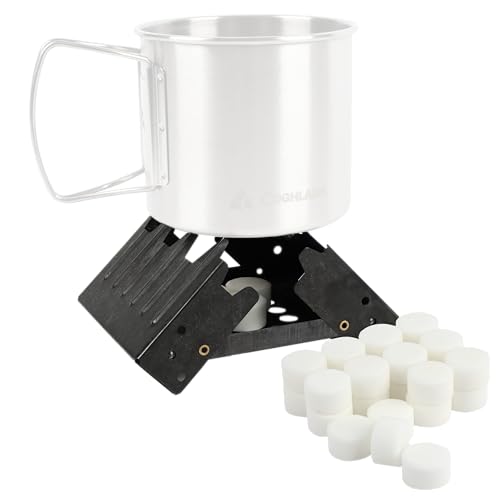
- Camping Stove for Sale in 2026: 7 Camping Stoves for Sale That Offer Fast Boiling, Easy Packing, and Reliable Performance for Camping
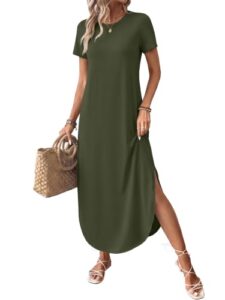
- ANRABESS Women Long Sleeve Fall Maxi Dresses with Pockets Wrinkle Free
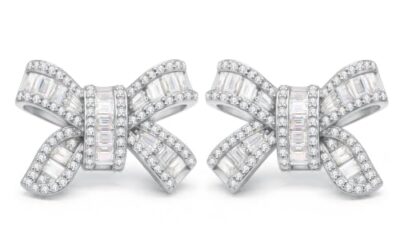
- Delzzad Moissanite Bow Stud Earrings for Women, 1.6 CT, S925 Sterling Silver
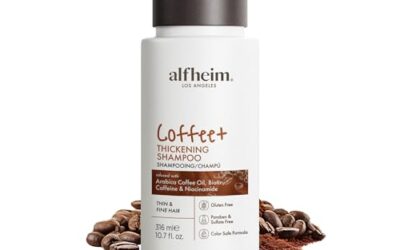
- ALFHEIM Coffee+ Thickening Shampoo for Fine, Weak & Thinning Hair, 10.7 oz
More from Amazon
Programs that pair well with the guide above. Offers and eligibility are set by Amazon and may change.
Free shipping on eligible items, Prime Video and more. Eligible new members can start with a free trial.
Start a Prime free trialA Prime membership for ages 18-24 with a trial period. Eligibility is set by Amazon.
See Prime for Young AdultsAudiobooks and podcasts to listen to on the go. Eligible new members can start with a free trial.
Try Audible freeAd-free music streaming. Eligible new subscribers can start with a free trial.
Try Music Unlimited freeAs an Amazon Associate we earn from qualifying purchases.



Write Your Review
No reviews yet. Be the first to share your experience!