
What's inside
As an Amazon Associate I earn from qualifying purchases. This post may contain affiliate links at no extra cost to you.
A camping stove for emergencies is a piece of household infrastructure disguised as outdoor equipment. Its job begins when the power fails, the gas supply is interrupted, a storm closes the roads, or a kitchen becomes unusable, and its job description is short and serious: boil water, cook simple hot meals, and do both safely, outdoors, for as many days as the household has planned and fuelled for. It is not a camping hobby purchase and should not be bought like one. The right emergency stove is the one your household has chosen by fuel, stored correctly, rehearsed in daylight, and can operate at midnight in rain by headtorch, under the one rule that governs every line of this guide: a fuel-burning stove is used outdoors, in open air, and never inside a home, a tent, a vehicle, or a closed garage, because every stove in this table produces carbon monoxide, a colourless, odourless gas that kills people in blackouts every year, usually in homes where a window was opened a crack and believed to be ventilation. It is not.
This guide therefore builds the emergency purchase in the order an emergency will test it. Fuel first, its storage life, its cold-weather behaviour, its availability in your town when everyone else is also buying it, and the arithmetic that converts your household’s meals into canisters, bottles, or tanks. Stove second, matched to that fuel, sized to your household’s pans and appetite, stable on the surface your home actually offers at its back door, a patio, a driveway, an open porch’s edge. System third, the kettle, the lighting, the windscreen used as its maker directs, the carbon monoxide alarm in the home, and the household drill that turns stored equipment into a cooked meal. The models below are current stoves from the established camping makers, chosen for emergency duty rather than for trail weight. Prices are ranges only. Check each maker’s listing for fuel type, output, pan support, ignition, and included hoses or regulators before buying.
Our Top Picks
 Gas One Portable Butane Camping Stove with Case:Single Unit13.5 x 11.2 x 4.4 inches3.1 poundsCheck on Amazon
Camping Stove for Emergencies: Fuel Is the Decision, the Stove Is Its Servant
Canister, Propane, Liquid Fuel, Butane, and Alcohol Compared for a Blackout
Canister gas, the threaded isobutane-propane canisters of backpacking stoves, is the easiest emergency fuel to own: shelf-stable for years stored cool and upright, instantly available, clean-burning in a stove that lights in seconds and simmers honestly, and countable, a household can inventory its reserve as a number of canisters against a plan. Its weaknesses are the emergency planner’s to respect: a small canister holds a limited number of meals, so a multi-day reserve is a box rather than a bottle; and in serious cold the blend’s vapour pressure falls and output fades, mitigated by keeping a canister warm before use and by choosing, in a cold climate, a different primary fuel. Propane is the family-scale answer: one-pound bottles that store indefinitely upright in a ventilated outdoor store, and, through a maker’s hose, larger refillable tanks that also serve a grill, feeding a two-burner stove under a family’s own pans for days, with a fuel sold in every town and a cold-weather record canister blends envy. Its stoves are furniture-sized, its hoses and regulators join an inspection list, and its bottles must never be stored in a living space or a basement, rules this guide treats as part of the purchase price.
Liquid fuel, white gas in a refillable bottle, and multi-fuel variants as their makers specify, is the long emergency’s engine: days of cooking per bottle, economical fuel, the best cold performance in this guide, and a stove that can be maintained in the field for decades with a small spares kit. Its tuition is ritual, pumping, priming, a lighting flare that belongs outdoors by design, and a competence every cooking adult in the household must rehearse before the night it matters. Butane cassette stoves, the flat single burners sold everywhere, are the budget’s convenience: effortless, stable, in a carry case, and genuinely useful at a back door, on a fuel whose cost per meal is high and whose output collapses as temperatures approach freezing, a fair-weather friend an emergency planner in a cold region should count as a second stove at most. Alcohol is the unbreakable reserve, a burner with no moving parts on a fuel stored in its sealed container, silent, slow, and sufficient for drinks and simple meals for one or two people, and wood, in a proper camp stove, is the supply that grows around a rural home, bought with the knowledge that an emergency’s weather is usually wet and its wood must be stored dry in advance to be a plan rather than a hope.
One Burner, Two Burners, and the Meals Your Household Will Actually Cook
Plan the emergency menu before the burner count, in writing, at its simplest honest version: hot drinks, porridge or eggs, soup, pasta, rice, tinned and dried staples rehydrated and heated, the meals your store cupboard already holds and your household will eat on the third day without a negotiation. A household cooking that menu in sequence, drinks, then a pot, then a second pot, lives completely on one good burner and gains a stove that stores in a cupboard and a fuel reserve that fits a box. A household of five, a household with a baby’s bottles or an elder’s specific needs, a household that will fry while a pot boils because its emergency plan is to cook properly for a week, should buy the two-burner propane stove and house it like an appliance, because in that kitchen the second burner is not a luxury. It is the difference between a meal and a queue, and a queue, in a cold house, in the dark, is a morale problem with a fuel cost.
Stability and surface decide more emergency meals than output ever will. The stove will work on a stable, level, non-flammable surface outside the home, a metal table, a stone slab, a purpose-chosen patio spot, never on a plastic table a hot foot can damage, never balanced on a box, never just inside a doorway where its exhaust becomes the house’s air, and at a distance from walls, fences, and overhangs that its maker’s clearances and common sense set together. Pan support must fit the household’s own cookware, tested in rehearsal with the largest pot filled with water, because a small backpacking stove under a family’s stockpot is an instability no emergency needs, and a wide two-burner that takes the kitchen’s pans as they are is worth more than a specification’s elegance. A kettle, a real camp kettle that lives with the stove, is this guide’s one insisted accessory, because the fastest route to warmth and morale in an outage is hot drinks in rotation, and a stove system that boils a litre briskly and pours it safely with cold hands will be thanked more often than any other object in the house.
Storage, Shelf Life, and the Reserve Counted in Days
An emergency stove’s reliability is decided in its store, not at its purchase. Canisters live cool, dry, upright, away from heat and ignition sources, counted on a card with the kit. Liquid fuel lives in its proper, labelled container, in a ventilated store outside the living space as its maker’s guidance and local rules direct, never decanted into a drinks bottle, never beside a heat source. Propane lives upright outdoors or in a ventilated store, never indoors, never in a basement, its stove’s hose and regulator inspected each season for perishing and damage. The stove itself is stored clean and dry, with its instructions, its spares where the model has them, a working lighter and waterproof matches in a sealed case, and a headtorch per cook, because the emergency kitchen is a night kitchen by definition. Fuel is rotated where rotation applies, oldest canisters used on a summer trip and replaced, a liquid fuel container checked and refreshed as its maker advises, so the reserve is always the freshest version of itself rather than a museum of the year it was bought.
The reserve itself is arithmetic, not optimism, and the buying guide gives the method in full: the household’s cooking day defined, its litres boiled and burner-hours counted, converted by the stove maker’s stated consumption and corrected by your rehearsal’s evidence, multiplied by the days your region’s history argues for, three as a common planning floor, more where storms, snow, or distance say so, plus a margin for the weather and for the neighbour’s kettle, because an emergency reserve that ends on the plan’s last meal has no answer for the outage that lasts one day longer than the plan. Write the figure on the kit’s card, with the date it was last checked, and check it with the seasons, spring and autumn, alongside the smoke alarms and the carbon monoxide alarm whose batteries guard the house against every fuel appliance an outage tempts its owners to misuse.
Camping Stove for Emergencies: Quick Comparison
| Emergency Camping Stove Model | Key Specs | Best For | Typical Price Range | Rating |
|---|---|---|---|---|
| Coleman Classic / Triton 2-Burner Propane Range | Two-burner propane stove class, wind panels by model, family pan capacity, bottle or tank via maker hose | Best camping stove for emergencies, family use | $75 – $150 by model | 4.7 / 5 |
| MSR PocketRocket 2 / Deluxe Range | Single-burner canister class, fast boil, regulator and piezo on Deluxe by model, compact storage | Best compact emergency reserve stove | $50 – $85 by model | 4.6 / 5 |
| MSR WhisperLite / International Range | Liquid fuel class, white gas, multi-fuel on International as maker states, field maintainable | Best for long outages and cold weather | $120 – $170 by model | 4.6 / 5 |
| Jetboil Flash / MiniMo System Range | Integrated canister system class, very fast boil, insulated pot by model | Best for hot drinks and simple meals, fast | $110 – $165 by model | 4.5 / 5 |
| GasOne Dual Fuel Portable Stove Range | Butane cassette class, dual-fuel models as maker states, carry case, tabletop stability | Best budget back-door emergency stove | $30 – $55 by model | 4.1 / 5 |
| Trangia 25 / 27 Storm Cooker Range | Alcohol burner system, integrated windscreen and pans by set, no moving parts | Best unbreakable backup system | $85 – $130 by set | 4.4 / 5 |
| Camp Chef Everest 2X / Two-Burner Range | Two-burner propane class, high output burners by model, windscreen, piezo ignition | Best powerful two-burner for a large household | $130 – $180 by model | 4.5 / 5 |
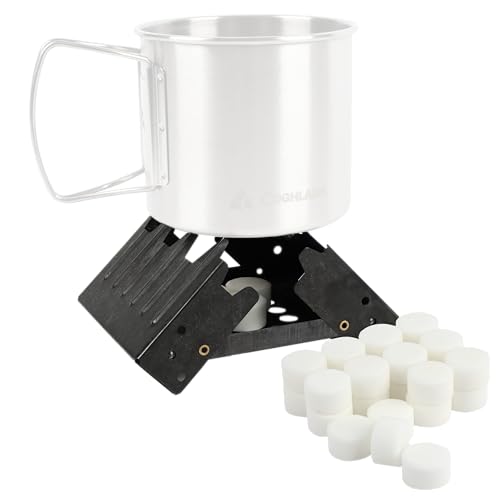
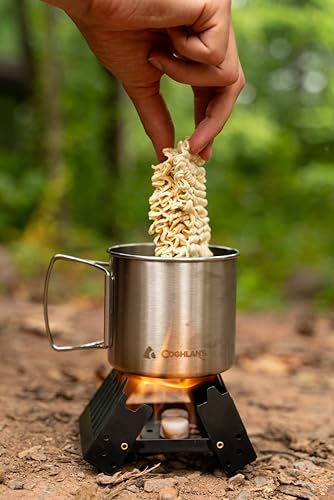
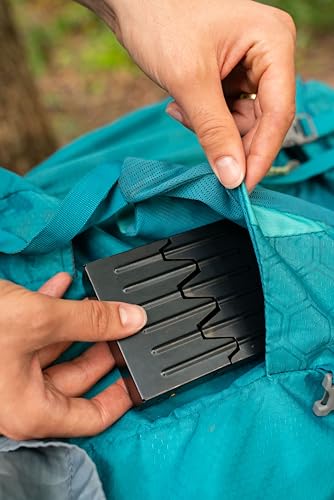
Coghlan's Emergency Stove - Lightweight, Portable Camping Stove for Backpacking, Survival, and Outdoor Cooking - Foldable Design with 24 Fuel Tablets Included (Compact for Travel and Storage)


As an Amazon Associate we earn from qualifying purchases. Product prices and availability are accurate as of the date/time indicated.

JoChef Portable Butane Camping Stove – 3-Year Warranty, Windshield & Case | Powerful Brass Burner | CSA Certified | Auto ignition | Single burner | Camping, tailgating, road trips & emergencies


As an Amazon Associate we earn from qualifying purchases. Product prices and availability are accurate as of the date/time indicated.
Gas One Portable Butane Camping Stove with Case: Automatic Ignition, Precise Heat Control - Camping & Tailgating and Outdoor Cooking


As an Amazon Associate we earn from qualifying purchases. Product prices and availability are accurate as of the date/time indicated.
Prices shown are approximate and for reference only. Prices change often, so please check the current price on Amazon before you buy.
Fuel type, burner count and output class, boil performance in makers’ stated conditions, pan support, ignition type, packed size, and included regulator, hose, windscreen, or case follow each manufacturer’s current listing for the exact model. Prices are typical US street ranges, fuel excluded. Ratings are editorial, weighing emergency suitability first, fuel storage and availability, reliability and ease of use under stress, household capacity, cold-weather behaviour, and value.
Reviews: Emergency Stoves by Household
1. Coleman Two-Burner and Camp Chef Everest: Best Family Emergency Kitchens
The Coleman two-burner range is the emergency stove this guide recommends to the most households because it converts a back door into a kitchen without a learning curve anyone in the house cannot climb in one rehearsal: two propane burners under the family’s own pans, wind panels against the aftermath weather, a kettle on one side and dinner on the other, running from bottles for a short outage or, with the maker’s hose, from a larger tank for a long one. It asks for a shelf, a hose inspection each season, and an outdoor store for its fuel, and it repays all three by making the fourth day of an outage cook like the first. Camp Chef’s Everest class is the same idea at higher power, burners that hold their pace under big pots and in wind, for the large household, the multi-generational house, the rural home whose emergency plan feeds more mouths than its own, bought with its appetite for fuel counted honestly in the reserve, because a powerful stove in a long outage is a fuel plan with a flame attached.
2. PocketRocket, WhisperLite, and Jetboil: Best Compact, Best Long Outage, Best Morale
The PocketRocket class is the cupboard-sized insurance policy: a canister stove of proven speed, a box of canisters counted beside it, drinks and one-pot meals in minutes at a back door or a balcony’s open edge where rules allow, for the flat, the small house, the single person, and as the second stove in a larger household whose main system has a single point of failure it should not have. The WhisperLite family is the week-long outage and the winter storm’s answer, a liquid fuel engine whose bottle holds days, whose fuel is cheap and widely sold, whose spares fit in an envelope, and whose priming ritual, rehearsed, becomes the household’s small ceremony of competence. Jetboil’s systems are the morale machines, boiling water for drinks with a speed and fuel thrift nothing else here equals, in an insulated pot that pours safely in cold hands, and a household that pairs one with a general stove has, in effect, separated its kettle from its kitchen, which on the second dark morning will feel less like a luxury and more like the plan working exactly as drawn.
3. GasOne, Trangia, and the Backup Principle: Best Budget and Best Unbreakable
The GasOne class of portable butane stoves is the budget back-door answer, a cased, stable, effortless burner for the short outage in a mild season, bought with its fuel’s cold weakness and per-meal cost understood, and with its dual-fuel variants’ options read on the maker’s listing rather than assumed. The Trangia system is the backup principle made metal: an alcohol burner with nothing to clog, pump, or break, in a storm-proof windscreen with its own pans, cooking slowly and silently through weather that argues with every other flame, on a fuel that stores sealed and asks nothing, for the household that understands an emergency system’s deepest virtue is a second, entirely independent way to heat water when the first way fails, runs dry, or is lent to a neighbour whose own plan has run out. Every household in this guide’s audience should end, whatever its primary stove, with a backup of a different fuel, because redundancy in an emergency system is not duplication. It is the system.
Buying Guide: How to Choose a Camping Stove for Emergencies
Step One: Write the Plan in Meals, Days, and Degrees
Plan on paper, because a reserve is arithmetic and an emergency is a poor time to discover yours was a mood. Write the household: its size, its specific needs, a baby, an elder, a medical diet, a pet whose food needs warming, and the cooks, every adult who may run the outdoor kitchen, with any hand, eye, or mobility consideration that makes one stove’s ritual another person’s barrier. Write the menu at its simplest, drinks per person per day, hot meals per day, and the store-cupboard staples those meals will use, because a stove plan and a food plan are one document and a reserve of fuel beside a cupboard of ingredients that all require an oven is a plan with a hole in its centre. Write the days, from your region’s record, the longest outage your street remembers, plus one, and the season’s degrees beside them, because a winter emergency in a cold region moves propane and liquid fuel up this guide’s list and canister and butane down it, and a summer emergency asks instead about fuel stored in heat and a cooking place in shade.
Convert the plan into fuel with the makers’ figures and then correct it by rehearsal: litres to boil per day, burner-hours per day, against your shortlisted stove’s stated consumption, gives the reserve in canisters, bottles, or litres; buy to that figure with a margin, store it as this guide directs, and write it on the kit’s card. Price the station whole in the same sitting: stove, fuel reserve, kettle or pot set, stable outdoor surface where the home lacks one, headtorches, lighters and waterproof matches, a windscreen where the model lacks one and its maker permits one, never wrapped around a canister, a battery carbon monoxide alarm for the home, and a first aid kit that includes burn care. An emergency budget spent on the station is a household that eats, washes, and drinks hot water through a blackout. The same budget spent on a stove alone is a flame in search of its kitchen, its fuel, and its cook, all three to be improvised on the night.
Step Two: Rehearse the Whole System in Daylight, Then in the Dark
On the day the stove arrives, assemble the emergency kitchen where it will actually work, outdoors, on its stable surface, at the back door or its chosen place, and cook a real meal from the emergency menu with the household’s own pans, every adult lighting, adjusting, and shutting down the stove with their own hands, the leak check performed on gas connections exactly as the manual directs, with soapy water where specified and never with a flame. Time the boils, weigh or count the fuel a day’s pattern uses against the plan, test the largest pan filled, the windscreen’s benefit in a breeze, the headtorch’s beam on the controls, and the cooling and storage routine, the stove fully cool before it travels to its store, every time, without exception. Record it all on the card that lives with the kit: fuel per day, boil times, spares to buy, the date of the next check, because an unrecorded rehearsal fades into confidence and a recorded one becomes a reserve figure a household can defend at a shop counter in September rather than at a back door in a storm.
Teach the rule with the rehearsal, in words every member of the household can repeat, including the teenager who will one day be the adult at home when the power fails: the stove cooks outside, always, in open air, whatever the weather; carbon monoxide cannot be seen or smelled, which is why there are no exceptions for a closed garage, a tent, a car, or five minutes for a kettle; anyone in a home where fuel has burned indoors who feels headache, dizziness, or nausea goes into fresh air and calls emergency services, and does not wait to feel better. Print the rule on the kit’s card. A stove sold and stored without its rule is half delivered, and this guide prints it at this length in every emergency article it writes, because the repetition is the point and the night it is needed is not the night to learn it.
Step Three: Store It as One Kit, Check It With the Seasons
Store the system as one kit in one known place, stove clean and dry, fuel in its proper store counted beside the card, kettle, torches, lighters, windscreen, spares, and instructions together, because an emergency kit scattered across four cupboards is four scavenger hunts scheduled for the worst evening of the year. Check it in spring and autumn with the alarms: canisters counted and seals inspected, liquid fuel’s container sound and labelled, propane’s hose and regulator examined, alcohol’s bottle sealed, the stove lit once so its working is a memory rather than a hope, batteries in torches replaced, and any shortfall against the plan bought that week, in calm, at ordinary prices, in a shop that has stock because no one else is frightened yet. Rotate what rotates through ordinary camping use, so the reserve is always fresh and the household’s hands are always practised, because a family that uses its emergency stove on its holidays owns an appliance, and a family that only stores one owns a hypothesis.
Review the station when the household changes, a baby, a grandparent, a move to a colder town or a house with a different back door, and resize the plan, the burners, and the reserve to the household that exists. Kept so, a camping stove for emergencies becomes the most boring object in the house for years, a box and a card in a known cupboard, until the evening the street goes dark, the fridge falls silent, and the freezer starts its slow countdown, and the household, alone on its road, is eating a hot meal at its own table an hour later, cooked outside its back door by hands that had done it before, in daylight, for practice. That meal is the entire return on the purchase, and it is bought, as this guide has insisted from its first line, not by the stove, but by the fuel counted, the rule taught, and the rehearsal nobody skipped.
Frequently Asked Questions About a Camping Stove for Emergencies
Can I use a camping stove indoors during a blackout or emergency?
No, never, and without exception for any stove in this guide. Canister, propane, liquid fuel, butane, alcohol, and wood stoves all produce carbon monoxide as they burn, and in an enclosed or poorly ventilated space that gas accumulates without colour, smell, or warning until it poisons the people breathing it, a sequence that kills households in outages every year, including households who opened a window a crack, raised a garage door a few inches, or planned to cook for only a few minutes, none of which makes an indoor space safe. Use the stove outdoors in open air, or at the fully open edge of a porch or carport where air moves freely through, on a stable non-flammable surface, attended while lit, clear of walls and overhangs, and let it cool outdoors before it is carried in. The same rule governs generators, charcoal, and fuel heaters, which must never be used in a home, a closed garage, or a tent. Keep a battery-backed carbon monoxide alarm in the home, test it with the seasons, and if anyone develops headache, dizziness, confusion, or nausea where fuel has been burned, get everyone into fresh air and call emergency services immediately. A wet, cold cook at a back door is an inconvenience. The alternative is not, and there is no version of emergency cooking advice, in this guide or any responsible one, with an indoor exception in it.
Which fuel is best for an emergency camping stove?
The fuel your climate, your household’s skills, and your storage can support for the number of days your plan requires, which resolves, for most households, into one of three primary answers with a backup of a different kind. Propane is the family answer, feeding a two-burner stove for days from bottles or a larger tank, strong in cold weather, familiar, and sold everywhere, at the cost of a larger stove, outdoor ventilated storage, and a hose and regulator to inspect. Canister gas is the compact answer, clean, instant, precise, and storable for years, for a small household, a flat, or a compact reserve, with its total reserve counted in a box of canisters and its output’s fall in deep cold understood and planned around. Liquid fuel is the long and cold answer, days per refillable bottle, the most economical cooking in this guide and the best winter performance, bought with a priming ritual every cook rehearses in daylight. Butane serves as a mild-weather convenience, alcohol as the unbreakable backup, and wood as the rural second system on fuel stored dry in advance. Choose the primary by your worst season, add a backup on a different fuel, and count the reserve in days with the method in this guide, because in an emergency you do not run out of stove. You run out of what burns in it, in the order you failed to count it.
How much fuel should I keep for a three-day emergency?
Calculate it from your household’s own pattern rather than copying a stranger’s figure, using this method. Define the cooking day: the litres of water the household will boil for drinks, cooking, and washing up, and the burner-hours its simplest menu needs, two hot meals and drinks being a common planning pattern. Read your stove maker’s stated consumption, burn time per canister, bottle, or litre, and convert, then correct the result with your rehearsal, in which you cook a day’s pattern and measure what it actually used, because pans, wind, menu, and temperature all move the figure. As an orientation only, a small household on a canister stove commonly uses roughly a small canister a day on that pattern, a family on a two-burner propane stove a one-pound bottle in a day to two days, with a larger tank extending well beyond a three-day plan, and a liquid fuel bottle across several days, but your rehearsal’s number, multiplied by your days and increased by a margin for weather, a longer outage, and a neighbour’s need, is the reserve to store, written on the kit’s card and checked each season. Store it as its fuel requires, canisters cool and upright, propane upright in a ventilated outdoor store, liquid fuel in its labelled container outside the living space, and rotate it through ordinary use so the emergency supply is always the freshest version of itself.
What else belongs in an emergency cooking kit besides the stove?
The station around the stove, because emergency cooking fails at its edges more often than at its burner. Keep together: the fuel reserve to your plan, in its proper store, with the kit’s card recording its count and its check date; a kettle and the pot set the stove was rehearsed with, lids included, because a lid is a fuel saving on every boil; a stable outdoor surface or a known slab where the stove will stand; a headtorch for each cook with spare batteries, because the emergency kitchen is dark by definition; two ways to light the stove, its igniter if fitted plus lighters and waterproof matches in a sealed case, tested at the seasonal check; a windscreen where the model lacks one, used exactly as its maker directs and never wrapped around a fuel canister, where reflected heat can overheat it dangerously; basic utensils, oven gloves, and a trivet for hot pans; and washing-up means suited to scarce water. Add the household layer: a battery carbon monoxide alarm in the home, a first aid kit including burn care, the stove’s instructions and spares, and a printed note of the one rule, outdoors only, where any adult or older child who might cook will see it. Assemble it in calm weather, rehearse it twice a year, store it in one place, and the kit will do on the worst night of the year exactly what it did on the patio in spring, which is the entire definition of being prepared.
Related guides
More from Amazon
Programs that pair well with the guide above. Offers and eligibility are set by Amazon and may change.
Free shipping on eligible items, Prime Video and more. Eligible new members can start with a free trial.
Start a Prime free trialA Prime membership for ages 18-24 with a trial period. Eligibility is set by Amazon.
See Prime for Young AdultsAudiobooks and podcasts to listen to on the go. Eligible new members can start with a free trial.
Try Audible freeAd-free music streaming. Eligible new subscribers can start with a free trial.
Try Music Unlimited freeAs an Amazon Associate we earn from qualifying purchases.








Write Your Review
No reviews yet. Be the first to share your experience!