
What's inside
- Snow Peak vs GSI Kitchen Pros Cons: The Two Philosophies at Full Strength
- Quick Comparison: Snow Peak vs GSI Kitchen Pros Cons by Product
- Detailed Reviews: Snow Peak vs GSI Kitchen Pros Cons in Products
- Buying Guide: Choosing Your Side in Snow Peak vs GSI Kitchen Pros Cons
- Frequently Asked Questions About Snow Peak vs GSI Kitchen Pros Cons
As an Amazon Associate I earn from qualifying purchases. This post may contain affiliate links at no extra cost to you.
Two philosophies cook dinner at the modern campsite, and they are embodied, almost perfectly, by the two houses in this guide’s title. Snow Peak builds a kitchen the way a joiner builds a room: modular, beautiful, and bought piece by piece across seasons, its Iron Grill Table system assembling burners, surfaces, and storage into a standing kitchen whose every component was designed in relation to every other, at prices that make a camper sit down before the total is read aloud. GSI Outdoors builds a kitchen the way a quartermaster packs for a family: complete, nesting, and ready in one box, its cook sets swallowing their own bowls, mugs, and plates into a single pot’s footprint, at prices that leave the rest of the camping budget alive. The Snow Peak vs GSI kitchen pros cons question is therefore not which house makes the better pot, both make excellent pots, but which philosophy matches the camper you are: the builder of a permanent, evolving camp kitchen, or the loader of a car whose boot must also hold a tent, four chairs, and a dog. This guide weighs both at full strength, product by product, because a verdict that flatters one philosophy by caricaturing the other would fail the reader who is, as most campers are, some of each.
The comparison needs its ground rules stated, because the two houses barely sell the same objects. Snow Peak’s kitchen is a system with a centre, the IGT frame and its units, around which stoves, grills, and surfaces arrange themselves, plus a cookware line in titanium and stainless whose design language is the system’s own. GSI’s kitchen is a fleet of self-contained sets, the Pinnacle and Bugaboo cook sets for the cooking itself, the Destination Kitchen set for the tools around it, each complete without reference to the others. A shopper comparing a Snow Peak burner unit against a GSI cook set is comparing a room’s fireplace against a furnished tent, and this guide therefore compares like with like where the lines overlap, cookware against cookware, fire against fire, and compares the systems as wholes where they do not, with the table’s rows chosen to put the two philosophies side by side at the points a buyer actually spends money. Cooking safety runs through the whole comparison in this site’s standing terms, stated once and assumed after: stoves and grills are used outdoors or in genuinely open shelter, never inside a tent or a closed vestibule, because carbon monoxide is the camp kitchen’s one unforgivable accident; fire, in the Takibi’s case, lives inside the rules and bans of the place it is lit; and food is stored sealed against animals and cooked and kept at the temperatures food safety requires, in camp exactly as at home.
The products compared here are real, currently sold kitchen products from both houses: Snow Peak’s IGT system in its common configuration, its Takibi Fire and Grill, and its Trek cookware class; GSI’s Pinnacle Camper and Bugaboo Base Camper cook sets and its Destination Kitchen tool set. They are graded on cooking substance first, heat, materials, and the meals each actually produces; system logic second, modularity against completeness, and what each costs to extend; weight and packed form for the transport each reader actually uses; durability and the makers’ support patterns across seasons of sauces and dishwater; and value, computed honestly in both directions, Snow Peak’s decades against GSI’s completeness, because each house’s price looks absurd in the other’s arithmetic and reasonable in its own.
Our Top Picks
Snow Peak vs GSI Kitchen Pros Cons: The Two Philosophies at Full Strength
Snow Peak’s Case: A Kitchen That Is Built, Not Bought
Snow Peak’s pros begin with the cooking itself, because the system’s design intelligence is culinary before it is aesthetic. The IGT’s standing height puts the cook at a counter rather than at a crouch, its burner units sit flush in a surface that holds the pan, the board, and the bowl in one plane, and a meal of any ambition, a sauce reducing while a grill works and a pot waits, is orchestrated across a kitchen that was drawn as a kitchen. The Takibi extends the same thought to fire: a firepit and grill in its maker’s design whose pack-flat geometry and whose grill heights turn an evening’s fire into the meal’s second stove, in the places and seasons where fire is lawful, and whose ritual, the Japanese takibi idea of the fire as the camp’s hearth and gathering point, is a genuine part of what its owners bought. The cookware’s materials argue the same seriousness, stainless and titanium in its lines with fits and finishes that survive decades of dish brushes, and the system’s deepest pro is its time horizon: an IGT frame bought this year accepts next year’s unit and the decade’s, parts and accessories persist in the maker’s pattern, and the kitchen grows by considered pieces rather than being replaced by considered sets. Its owners describe it, accurately, as furniture for outdoors, and like furniture it is bought slowly, kept permanently, and handed on.
Its cons are the price, stated without flinching because the house does not flinch: a working IGT kitchen, frame, burner, surfaces, and storage in a common configuration, costs what a family’s entire camping outfit costs in the other philosophy, and each additional unit is a considered purchase rather than an errand. Weight and bulk follow the design honestly, a standing kitchen is car camping’s equipment and makes no apology to the backpack, and the system’s completeness is asymptotic, there is always a unit that would finish it, a psychology its owners joke about because it is true. Availability and the ecosystem’s specificity close the file: the system rewards buying inside it, and a camper whose life is one trip a year will amortise its virtues across too few dinners to justify its arithmetic.
GSI’s Case: Complete, Nesting, and Cooking Tonight
GSI’s pros begin with the box opened at the first campsite: a Pinnacle or Bugaboo set in its maker’s pattern contains the pots, the pan, the lids, and, nested inside, the bowls, plates, and mugs for the stated number of campers, a kitchen entire in one carried object, bought in one decision at one price that a family can read without sitting down. The nesting is the design intelligence, every piece’s volume serving twice, and its consequence is transport: the whole kitchen rides in a tote or a boot’s corner, sets up on any camp table or tailgate, and asks for no frame, no units, and no second season’s budget to become complete, because it arrived complete. The materials argue value with a straight face, hard-anodised aluminium in the Pinnacle’s class in its terms, conducting heat evenly and cleaning kindly, coatings in their stated patterns for the camper who cooks eggs and resents the scouring, and weights that let the larger sets serve car campers while their smaller siblings in the maker’s range walk into the backcountry without a philosophy meeting. The Destination Kitchen set extends the same completeness to the tools, the knives, spatula, ladle, and board in one rolled or cased kit in its design, so that the family’s whole culinary apparatus is two objects and a stove.
Its cons are the mirror of its virtues. A complete set is complete on the maker’s menu, not the cook’s: the family that never uses the fourth mug carries it forever, the cook who wants a second large pot buys outside the nest and breaks its geometry, and the set’s pieces, when one is lost or worn, are replaced from the maker’s provisions where offered rather than from a universal shelf. The cooking posture is the camp table’s, which is to say the crouch or the low chair for the stove’s work, and no GSI arrangement assembles into Snow Peak’s standing counter, a difference an ambitious cook feels across a whole trip’s dinners. And the time horizon, while honestly measured in years of family service in owners’ experience, is a set’s horizon: when the coating tires or the family’s size changes, the replacement is another set, a repurchase the modular owner makes one unit at a time.
Quick Comparison: Snow Peak vs GSI Kitchen Pros Cons by Product
| Product | House, Type and Key Specs | Best For | Typical Price Range |
|---|---|---|---|
| Snow Peak Iron Grill Table System | Snow Peak modular kitchen in maker’s system, frame with burner and surface units in common configurations, standing height design | Best standing camp kitchen | $450 – $900 as configured |
| GSI Outdoors Pinnacle Camper Cook Set | GSI nesting cook set in maker’s line, pots, pan and tableware for stated campers, hard-anodised class in maker’s terms | Best complete family set | $130 – $170 |
| Snow Peak Takibi Fire and Grill | Snow Peak firepit and grill in maker’s design, pack-flat pattern, grill provisions, sizes in maker’s range | Best fire cooking and hearth | $250 – $350 by size |
| GSI Outdoors Bugaboo Base Camper | GSI nesting cook set in maker’s line, larger pots for groups in stated pattern, coated class in maker’s terms | Best group value | $110 – $150 |
| Snow Peak Trek Cookware Class | Snow Peak cookware in maker’s lines, titanium and stainless patterns, stated capacities | Best lightweight cookware | $60 – $120 by set |
| GSI Outdoors Destination Kitchen Set | GSI kitchen tool set in maker’s design, utensils, knives and board in cased pattern, stated piece count | Best complete tool kit | $60 – $90 |
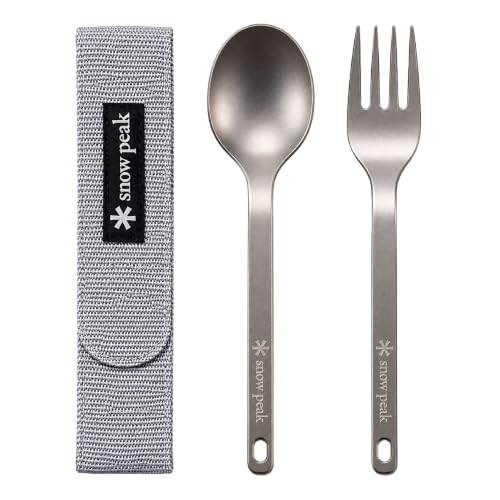
Snow Peak Titanium Fork & Spoon Set, Durable Utensils, Compact & Ultralight | Versatile use for Camping, Hiking, Backpacking and Picnics, Travel Case Included, Easy to Clean, Japanese Designed


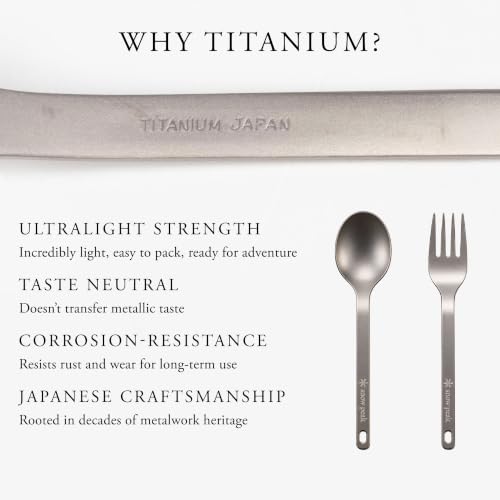
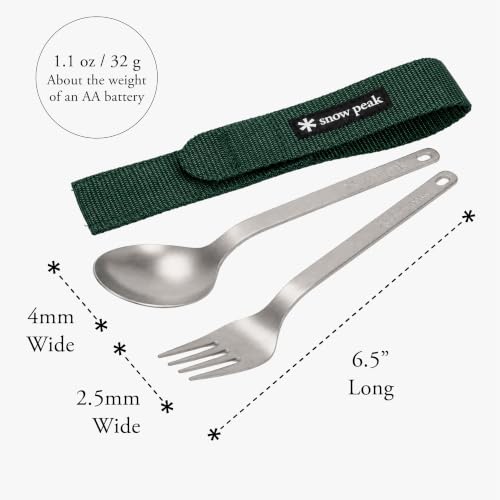


As an Amazon Associate we earn from qualifying purchases. Product prices and availability are accurate as of the date/time indicated.

EGO Power+ SNT2122 21" Single-Stage Snow Blower with Peak Power™, (2) 4Ah Batteries and 320W Charger Included
As an Amazon Associate we earn from qualifying purchases. Product prices and availability are accurate as of the date/time indicated.
Prices shown are approximate and for reference only. Prices change often, so please check the current price on Amazon before you buy.
System configurations, set contents and stated camper counts, materials and coatings, capacities, packed dimensions, and weights are each maker’s stated details for the current versions, and the IGT range reflects a frame with common burner and surface units rather than the frame alone. Ratings are editorial for camp cooking: cooking substance and heat manners, completeness against modularity for the product’s own philosophy, packed form and weight for car camping, durability across seasons, and value in the house’s own arithmetic.
Detailed Reviews: Snow Peak vs GSI Kitchen Pros Cons in Products
1. Snow Peak IGT System – Best Standing Kitchen
The IGT takes the system’s crown in its maker’s line by making the camp cook a standing professional: a frame at counter height in its design, burner and surface units flush in one plane, storage beneath, in a configuration that turns a week’s base camp into a kitchen that happens to be outdoors. Its pros are the philosophy’s entire, modularity, permanence, and a cooking posture no set on a picnic table matches, and its cons are its price and its bulk, charged openly in the table.
For the base camp cook of ambition, it has no rival in this guide.
2. GSI Pinnacle Camper – Best Complete Family Set
The Pinnacle Camper is the opposing philosophy at its most complete in its line: pots, pan, and the tableware for its stated campers nested into one carried object in its pattern, in hard-anodised metal in its terms that cooks evenly and cleans kindly, ready the first night with nothing else to buy but the stove and the food. For a family’s first five seasons, it is the highest-value object in this article.
Its menu is the maker’s, as the cons record. Within it, it is flawless sense.
3. Snow Peak Takibi Fire and Grill – Best Fire Cooking
The Takibi earns its place in its maker’s line as the hearth the system gathers around: a firepit that packs flat in its design, grills at set heights in its pattern, and turns the evening’s fire, where fire is lawful and the place’s rules allow, into dinner’s second burner and the camp’s warm centre. Its owners buy the ritual as knowingly as the grill, and both are delivered.
It is heavy, dear, and subject to every fire ban, as it should be. Within the law of its evening, it is unmatched.
4. GSI Bugaboo Base Camper – Best Group Value
The Bugaboo scales GSI’s completeness to the group in its line, larger pots in its stated pattern for the scout troop, the reunion, the base camp of friends, at a per-camper price that makes the modular alternative look like a hobby in itself, which, this guide concedes with a smile, it is. For feeding many, occasionally, it is the rational flagship.
Its coating’s care is its terms’. As the group’s quartermaster, it is the pick.
5. Snow Peak Trek Cookware – Best Lightweight
Snow Peak’s Trek class carries the house’s design language into the walker’s kitchen in its lines, titanium and stainless in its patterns with the fits its owners expect, nesting by its own logic, and light enough that the philosophy’s virtues, permanence, considered pieces, survive the transition from the boot to the pack better than its critics predict.
Its prices are the house’s, in miniature. For the walker who buys once, it is the considered shelf.
6. GSI Destination Kitchen – Best Tool Kit
GSI’s Destination Kitchen closes the table by completing the set philosophy beyond the pots in its design: the knives, tools, and board a camp cook actually reaches for, in one cased kit in its pattern, so the family’s kitchen is two objects entire. It is the piece Snow Peak’s system answers with individual units at individual prices, and the contrast in that single fact is the whole article in miniature.
Its tools are a set’s tools, good rather than chosen. As completeness, it is the argument’s conclusion.
Buying Guide: Choosing Your Side in Snow Peak vs GSI Kitchen Pros Cons
Count Your Dinners, Your Campers, and Your Seasons
The decision arithmetic has three inputs, and a buyer who writes them down will find the philosophies separate themselves. Dinners per year: the modular system’s virtues are per-dinner dividends, posture, orchestration, permanence, and below a dozen camp dinners a year they compound too slowly against its price, while above thirty, across seasons, the GSI set’s crouch and its repurchase horizon begin to charge their own interest. Campers per dinner: a couple’s kitchen and a troop’s kitchen are different countries, GSI’s stated-count sets mapping the family exactly and scaling to the group in the Bugaboo’s pattern, while the IGT serves the standing cook of any count but asks its price regardless. And seasons intended: a family testing camping itself should not buy furniture for a hobby it may not keep, GSI’s completeness being precisely a first-five-seasons instrument with an honourable resale and hand-down life, while the camper who already knows, who has cooked a wet week’s dinners on a tailgate and felt the want of a kitchen, has served the apprenticeship the IGT exists to reward.
Most households, honestly audited, land in the sequence this guide now recommends as plainly as its readers’ histories suggest it: GSI first, the complete set and the tool kit, cooking real dinners from the first trip and learning, across seasons, what their camp cooking actually is, its menus, its counts, its ambitions. Then, if the dinners accumulate and the cook’s ambitions with them, Snow Peak by pieces, a Takibi for the hearth evenings, an IGT frame and burner as the base camp’s graduation, with the GSI set demoted, not discarded, to the quick trips and the children’s own camps, where its completeness shines again. The houses are rivals in the catalogue and collaborators in a camping life, and the reader who buys them in that order has spent less than the reader who bought either philosophy twice.
Set Up the Kitchen You Bought Like a Kitchen
Whichever philosophy wins the basket, its dinners depend on the same site discipline, and this guide closes its comparison with the shared ground. Site the kitchen on level ground in the camp’s lee, its stove stable and its fire, where lawful, inside the place’s provisions and attended without exception, with the carbon monoxide rule absolute: cooking happens in open air, and a tent is never a kitchen, in any weather, for any reason, a rule whose brevity in this paragraph is in inverse proportion to its importance. Organise the work as a kitchen organises itself, raw and cooked apart, the wash line in its three basins in the pattern this site’s camp kitchen coverage teaches, food sealed and stored against animals from the moment it lands, and the grey water disposed of as the place directs. Keep the system’s own maintenance in the same rhythm, coatings treated by their makers’ terms, Snow Peak’s metal dried and stored as its house directs, knives from either house sheathed in transport, because a camp kitchen’s accidents are a home kitchen’s, with further to drive to the hospital.
Judge the purchase at the season’s end by the dinners, counted and remembered: how many cooked, how many cooked well, how many were abandoned to the pub or the packet because the kitchen discouraged them, because that last figure is the true price of the wrong philosophy and the true dividend of the right one. Do that, dinners counted, campers counted, seasons intended honestly, and the Snow Peak vs GSI kitchen pros cons question resolves into what it always was: not a contest between two houses, but a camper deciding how they cook when the roof is the sky, and receiving, from either philosophy honestly chosen and honestly sequenced, the same reward, dinner, outdoors, cooked properly, in the company the whole enterprise exists for.
Frequently Asked Questions About Snow Peak vs GSI Kitchen Pros Cons
Is Snow Peak better than GSI for camp kitchens?
It is better at a different job. Snow Peak’s system is the finer kitchen: a standing, modular counter in the IGT pattern whose burners, surfaces, and storage assemble into a permanent base camp, cookware and a fire grill of heirloom build, bought piece by piece across seasons and kept across decades. GSI’s sets are the finer equipment for most families: complete, nesting kitchens in one box and one decision, pots, pan, and tableware for the stated campers, cooking real dinners from the first trip at a fifth of a configured IGT’s price. The deciding inputs are dinners per year, campers per dinner, and seasons intended. Below a dozen dinners a year, or in a family’s first seasons, GSI’s completeness wins outright. For the committed base camp cook above thirty dinners a year, Snow Peak’s posture, orchestration, and permanence repay their price in the only currency that matters, dinners cooked well and willingly. Many households run the sequence this guide recommends, GSI first, Snow Peak by pieces later, the set demoted to quick trips rather than discarded.
Why is Snow Peak so expensive?
Because it is priced as furniture rather than as equipment, and its arithmetic only works across the horizon it is built for. The IGT system is modular metalwork, a frame and units designed to fit each other precisely and to be extended across decades, from a maker whose parts and accessories persist in its pattern, in materials and finishes chosen for permanence rather than for a price point. Divided by thirty dinners a year across fifteen years, its cost per dinner is unremarkable. Divided by a family’s first two seasons, it is an extravagance, which is why this guide sequences it after GSI’s completeness for most readers. The honest test is not the ticket but the amortisation against your own counted dinners, and the honest caution is the system’s open-endedness: there is always another unit, and the budget for a Snow Peak kitchen should be set as a total before the first piece is bought, because the philosophy’s pleasure and its trap are the same, that the kitchen is never quite finished.
Are GSI cook sets good enough for serious camp cooking?
Yes, within the honest limits of their form. The Pinnacle and Bugaboo sets in this guide cook with even heat in their hard-anodised and coated patterns in their makers’ terms, boil, fry, simmer, and bake in the improvised patterns camp cooks have always used, and feed their stated campers real dinners, which is the seriousness most camp cooking requires. Their limits are the set’s form rather than the metal’s quality: the menu of pieces is the maker’s, so a second large pot or an unusual pan lives outside the nest; the cooking posture is the camp table’s, a crouch or a low chair at the stove rather than a standing counter; and a worn piece is replaced as a set decision more often than as a single unit. A cook whose ambitions are a sauce, a grill, and a pot orchestrated together at standing height has outgrown the form and is Snow Peak’s customer. A cook whose ambition is dinner for six, outdoors, again and again, is already holding it, in a box that also holds the plates.
Can I mix Snow Peak and GSI in one camp kitchen?
Yes, and most experienced households do, because the two houses are strongest at different stations of the same kitchen. The common pattern in this guide’s recommendation is GSI for the vessels and the table, a Pinnacle or Bugaboo set and the Destination Kitchen tools as the complete, nesting core, with Snow Peak bought by the piece where its design has no rival: a Takibi as the hearth and second grill on lawful fire evenings, Trek pieces where a walker’s sub-kitchen is assembled, and, in time, the IGT frame as the base camp’s standing counter, under which the GSI set still rides to the quick trips. The cautions are housekeeping rather than doctrine: nesting sets keep their geometry only with their own pieces, so additions live outside the nest in their own pouch; coatings and metals each follow their own makers’ care; and the kitchen’s inventory, which house, which piece, which pouch, should be written once and kept with the tote, because a mixed kitchen’s only real failure mode is the piece discovered missing at the campsite, in the rain, at the exact moment the pasta water boils.
Related guides
- Best State Park to Kayak Camp in Florida in 2026: Best State Park to Kayak Camp in Florida That Is Beautiful, Safe, and Perfect for Your Paddle
- Best Place to RV Camp and Kayak: 6 Best Place to RV Camp and Kayak Picks in 2026
- Best SUV for Camping and Kayaking: 6 Best SUV for Camping and Kayaking Picks in 2026
- Best Places for Kayak Camping in 2026: Water Trails, Lakes, and Coastal Routes to Try
More from Amazon
Programs that pair well with the guide above. Offers and eligibility are set by Amazon and may change.
Free shipping on eligible items, Prime Video and more. Eligible new members can start with a free trial.
Start a Prime free trialA Prime membership for ages 18-24 with a trial period. Eligibility is set by Amazon.
See Prime for Young AdultsAudiobooks and podcasts to listen to on the go. Eligible new members can start with a free trial.
Try Audible freeAd-free music streaming. Eligible new subscribers can start with a free trial.
Try Music Unlimited freeAs an Amazon Associate we earn from qualifying purchases.

Write Your Review
No reviews yet. Be the first to share your experience!